


Fez dazzle with cultural treasures. Jamaa el-Fna square in Marrakech (pictured above) buzzes with vendors, food, and music, and is a UNESCO World Heritage site.. The medina of Fez is called Morocco’s spiritual heart and is also UNESCO-listed and spans thousands of historic alleyways. Visitors agree that Morocco “amazes with every detail” Marrakech is described as “vibrant with life and elegance”, while Fez is called “spiritual”. This blend of ancient heritage and modern amenities creates an unforgettable experience. Travelers are charmed by Morocco’s rich crafts, architecture, and warm hospitality, making it a bucket-list destination for many.
Thanks for reading Travel Morocco! Subscribe for free to receive new posts and support my work.
Crowds, Commerce, and Caution
However, Morocco’s popularity means tourists must be prepared for crowds and hustle. Marrakech can feel extremely busy: in 2024 Morocco saw 17.4 million visitors, with nearly 40% staying in Marrakech. Fez is quieter (about 3.8% of tourist stays) but its medieval medina can still feel bustling.
Petty crime is common in crowded souks: UK travel advice warns of “pickpocketing” and “bag-snatching” in medina districts, so keep wallets secure. Unofficial guides and panhandlers are known to approach tourists, sometimes insisting on tips or shop visits. In general, though, violent crime is very Very rare and seasoned travelers note that “the real issue in Morocco is street nagging and I personally get annoyed by stuck beggars, not violent crime”. This harassment often means persistent offers of tea or goods (rather than physical threat) Street vendors can be quite forward. At Jamaa el-Fna one may encounter snake-charmers or “monkey men” who pose with you and then demand payment for photos. Other merchants may follow you, insisting you enter their shops. Most locals are friendly, but if someone is too pushy, a firm polite “no” is key.
One of my friends after coming to see me in Morocco said the same thing as most of us observed that even in the busiest souks, telling a vendor in French that “I’m not buying anything” made them stop the fuss. Learning a simple refusal like “La, shukran” (no, thank you) can ward off most sales pitches. In short, stay polite but assertive: people will usually respect a clear “no” and move on.
Practical Tips (Things I Wish I Knew)
Stay Oriented: Book your riad or hotel near the main gate of the medina. Medina alleys are like a maze – even GPS often fails. Mark landmarks (fountains, archways) and consider a navigation app or map before you set out. A guided tour on your first day can help you learn the layout safely. Polite Refusals: Keep “no, thank you” phrases handy. Besides Arabic “La, shukran” Knowing a few French or Arabic greetings goes a long way. Most sellers and beggars will back off if you smile and say no firmly. Carry your phrases in a notebook or phone in case you forget.
Secure Valuables: Only carry the cash you need each day. Use a money belt or inside pocket. Since pickpocketing happens in crowded places, avoid flashy jewelry and be cautious when scrolling maps on your phone. If someone offers unsolicited help (with directions, camera, etc.), it’s safest to politely decline.
Taxi and Transfers: Use official taxis or pre-booked transfers from the airport. At Marrakech airport the fair to the city center should be about 50–70 MAD, yet unprepared tourists may be quoted 350+. Insist on using the meter or agree on a price before starting. If in doubt, reputable ride-hailing apps or hotel-arranged cars are good alternatives.
Dress Conservatively: Wear loose-fitting clothing covering shoulders and knees, especially for women. This shows respect and tends to reduce unwanted attention. Above all, wear comfortable shoes you will walk on uneven cobblestones. Carry sun protection and water, as Moroccan days can be hot even in winter.
Time It Right: Visit popular spots early or late. Morning light in the medinas can be magical and the streets are quieter. Midday heat drives many locals home, but you’ll find bustling cafes outside the souks. If crowds bother you, take breaks at slower moments café culture is relaxing!
Visa & Language: Most European visitors (EU citizens) can enter Morocco visa-free for up to 90 days. Indian travelers need a visa (Morocco offers an easy online e-Visa for Indians). Arabic and French are widely spoken, but English is common too. Learning basic greetings (salaam, merci) can make your interactions smoother.
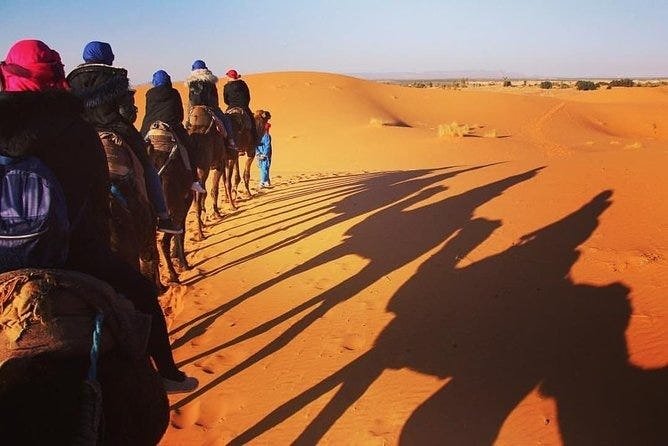
Eat and Drink Wisely: Moroccan food is a highlight, but stick to bottled water to avoid stomach upset. Eating at busy stalls can be safe and delicious; observe locals’ choices. Savor the tagines, pastries, and mint tea, but be mindful to agree on prices for tours, carpets, or camel rides in advance.
Embrace the Experience
Every traveler weighs Morocco’s wonders against its quirks. The colors, history, and warmth of Marrakech and Fez often win out. With preparation and respect and whether you’re from India, Europe, or anywhere else, the rewards are huge. “Morocco meets all needs,” as one guide put it. In practice, this means if you arrive with an open mind, basic phrases and safety precautions, your trip will be safer and more enjoyable. Follow local customs, stay alert in crowds, and keep a sense of humor. In the end, you’re likely to agree that Morocco truly is worth visiting – it just helps to go in “wishing you knew” these tips first.
Bon voyage!